Troubleshooting Transformer Overload and High Temperature
High transformer temperature and overload damage equipment and reduce lifespan. This guide details how to identify symptoms, check cooling systems, and manage load to prevent overheating in oil-filled and dry-type power transformers.
- Monitor oil and winding temperatures to detect overload early before insulation damage occurs.
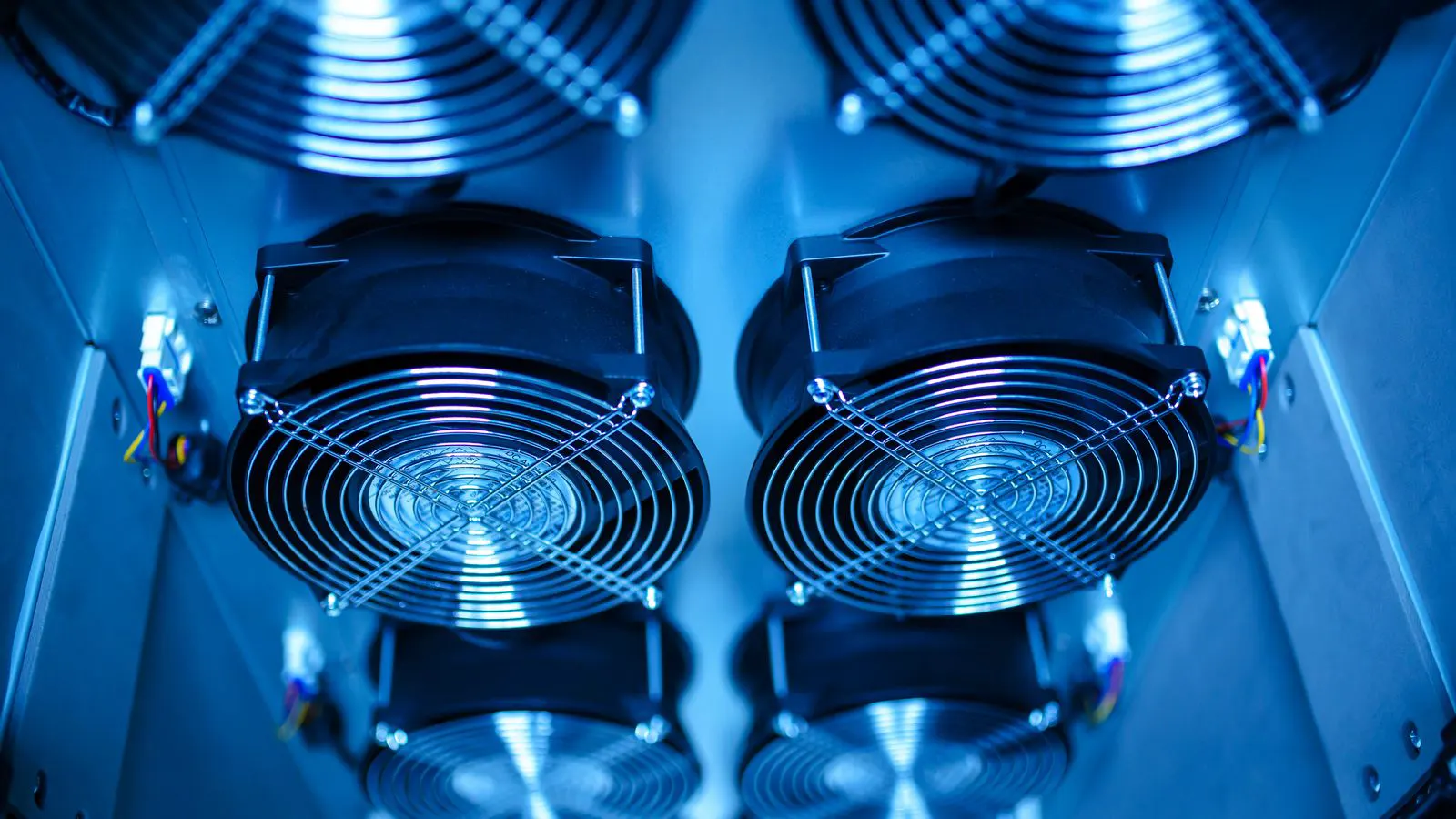
- Verify cooling system performance, including fans, pumps, and radiators, to maintain safe operating limits.
- Use overload management plans to shed non-essential loads during high-temperature events.
- Inspect oil condition and level to ensure the transformer can absorb heat and insulate windings properly.
- Keep maintenance records of load factor and thermal events to track long-term asset health.
Why Overload Damages Transformers
A transformer handles power by transferring it from primary to secondary circuits through electromagnetic induction. The copper or aluminum windings generate heat when current flows. Oil-filled units rely on the insulating oil to absorb this heat and carry it to radiators or cooling fans. Dry-type transformers use air, forced or natural, to remove heat from the windings.
When the load exceeds the rated capacity, the winding temperature rises. If this state lasts long enough, the insulation degrades. The insulation materials, such as paper, resin, or mica, break down. This creates partial discharges, which increase over time. Eventually, the insulation fails, causing short circuits or ground faults.
Overload is not always a sudden event. It often starts as a gradual increase in load factor. Grid engineers watch the load factor closely because sustained operation above 100 percent of rated capacity accelerates aging. A transformer running at 110 percent for several hours ages faster than one running at 90 percent for the same duration.
The damage is cumulative. Each overload event adds stress to the insulation. The transformer does not reset its age. This is why operators track thermal history. A single short overload may not cause immediate failure, but it reduces the margin for future events.
Symptoms of Transformer Overload and High Temperature
High temperature is the most visible symptom of overload. However, it is not the only sign. Operators should watch for multiple indicators in the substation or plant.
The table below lists common symptoms, their likely causes, and the corrective actions required.
| Symptom | Likely cause | What to do |
|---|---|---|
| High oil temperature | Overload, blocked radiators, low oil level | Check load factor, clean cooling surfaces, top up oil if low |
| High winding temperature | Overload, poor oil circulation, cooling fan failure | Reduce load, verify fan operation, inspect circulation paths |
| Rising gas generation | Insulation degradation, oil oxidation, moisture | Analyze gas content, check oil quality, plan maintenance |
| Abnormal noise | Loose parts, magnetic saturation, overheating | Inspect bushings and tank, reduce load if magnetic saturation is suspected |
| Tripped temperature alarms | Sensor fault or genuine thermal event | Verify sensor readings, check cooling system, reduce load if necessary |
| Low oil level | Leaks, absorption into windings, over-pumping | Inspect tank and bushings, trace leak source, top up with clean oil |
A high oil temperature reading often points to a problem with the cooling system. If the fans are not running, or the radiators are covered in dust and debris, the heat transfer efficiency drops. In this case, the transformer may be within its load limit but still overheat.
Winding temperature is harder to measure directly. It is often estimated using the difference between oil temperature and the load current. If this calculated temperature is high, the windings are at risk.
Gas generation is a subtle but serious indicator. The dissolved gas analyzer monitors the oil for traces of hydrogen, methane, and acetylene. A sudden rise in these gases indicates electrical activity inside the transformer, such as a short circuit or arcing. This is often a sign that insulation is failing.
Abnormal noise can indicate several things. A loud humming sound may suggest magnetic saturation, which happens when the core is overloaded. A crackling sound may indicate arcing or loose parts inside the tank. Both require immediate investigation.
Root Causes of Overheating
Overheating is rarely caused by a single factor. It usually results from a combination of load, environment, and system faults.
Excessive Load
The most obvious cause is a load that exceeds the transformer capacity. This can happen during peak demand periods or when a feeder serves more load than designed. In some cases, a transformer is selected with too little margin for the expected load growth.
Cooling System Faults
The cooling system removes heat from the transformer. If it fails, the temperature rises quickly. Common faults include:
- Fan failure due to bearing wear or electrical burnout.
- Blocked radiators from dust, leaves, or chemical residue.
- Pumps not circulating oil properly in forced oil cooling systems.
- Thermostats stuck, preventing fans from turning on.
- Broken fan blades or damaged impellers.
A cooling system fault can cause a transformer to overheat even if the load is only at 80 percent of rated capacity. The heat is generated, but it cannot leave the tank.
Environmental Factors
Ambient temperature affects the cooling efficiency. A transformer in a hot climate or a poorly ventilated enclosure will run hotter than one in a cool, open area. Summer peak loads, combined with high ambient temperatures, are a common trigger for overload.
Oil Condition
The insulating oil serves two purposes. It insulates the windings and carries heat. If the oil degrades, both functions suffer. Water in the oil reduces its insulating strength and changes its thermal properties. Contaminants and oxidation products make the oil thicker, which impedes circulation.
Low oil level is another issue. The oil must cover the windings to transfer heat effectively. If the level is low, air pockets form in the cooling path. This creates hot spots.
Corrective Actions for High Temperature
When a transformer shows signs of overheating, immediate action is required to prevent damage.
Reduce Load
The first step is to reduce the load. This can be done by shedding non-essential loads on the secondary side or transferring load to another feeder. The goal is to bring the load below the rated capacity so the temperature can drop.
Check Cooling System
Inspect the cooling system. Verify that fans are running and that the thermostats are functioning. Clean the radiators and fins. Check the oil pump and circulation lines. If the cooling system is faulty, repair it immediately.
Monitor Oil Temperature
Keep a close watch on the oil temperature. If it continues to rise after load reduction, there may be an internal fault. In this case, the transformer should be taken out of service for investigation.
Inspect Oil Level and Quality
Check the oil level. If it is low, top it up with clean oil of the same specification. If the oil is contaminated, it may need to be treated or replaced. Water in the oil must be removed.
Check Instrumentation
Verify that the temperature sensors are accurate. A faulty sensor can give a false reading. This can lead to unnecessary alarm or, worse, failure to act when a real problem exists.
Prevention and Overload Management
Preventing overload requires a combination of planning, monitoring, and maintenance.
Load Planning
Grid engineers should plan for load growth. Transformers should be selected with sufficient margin to handle future increases. Regular reviews of load data help identify transformers that are approaching their limits.
Monitoring and Alarms
Install continuous monitoring systems that track oil temperature, winding temperature, and load factor. Set alarms at predefined thresholds. Early warning allows operators to take action before damage occurs.
Regular Maintenance
Inspect the cooling system at least once a year. Clean the radiators and check the fans and pumps. Test the thermostats and control relays. Keep the oil clean and dry.
Overload Management Plan
Develop an overload management plan. This plan should define the maximum allowable load, the temperature limits, and the steps to take if limits are exceeded. It should include load shedding procedures and communication protocols with the load side.
Long-Term Health Management
Transformer health is not a one-time check. It is a continuous process. Operators should track the thermal history of each unit. A record of overload events, high temperature readings, and maintenance actions helps assess the remaining life of the transformer.
If a transformer has a history of frequent overloads, it may need to be replaced. The cost of replacement must be weighed against the risk of failure. A failed transformer can cause widespread outages and significant economic losses.
By monitoring temperature, managing load, and maintaining the cooling system, operators can extend the life of their transformers and ensure reliable power delivery.
Frequently asked questions
How can I tell if a transformer is overloaded?
Watch for rising oil and winding temperatures, high load factor readings, and abnormal noise. A temperature that stays high even when the load is reduced is a strong indicator of overload.
What is the safe operating temperature for a power transformer?
Manufacturers specify maximum oil and winding temperatures. Generally, oil should not exceed the rating for the insulation class. Winding temperatures are often estimated and should be kept within the limits defined by the design.
Can a transformer recover after an overload event?
The temperature will drop after the load is reduced, but the insulation damage is cumulative. The transformer does not reset its age. Each event reduces the remaining life.
What should I do if the cooling fans stop working?
Reduce the load immediately to lower the heat generation. Check the power supply to the fans and the thermostat settings. If the fans are broken, replace them or use temporary cooling if possible.
How often should I check the oil level?
Check the oil level during routine inspections and after any major load change or temperature event. Leaks can occur without visible signs, so regular monitoring is necessary.