Transformer Technical Support: On-Site vs Remote Service Models
Transformer technical support can be delivered on-site or remotely. On-site service suits critical assets with complex faults, while remote support reduces cost for routine diagnostics and routine maintenance. The right mix depends on asset criticality, response time targets, and skill availability.
- On-site service is best for high-risk assets where access, safety, and hands-on testing matter.
- Remote support works for routine checks, data review, and early fault detection.
- Hybrid models often deliver the best balance of cost and response speed.
- Define service levels in writing before selecting a supplier.
- Match support to the transformer type and operating environment.
What to compare when choosing support
Buyers often treat technical support as an afterthought. The contract focuses on price, lead time, and deliverables. Then a fault appears. The question becomes whether the supplier can respond quickly enough, with the right people and the right tools.
Transformer technical support covers everything from commissioning checks to fault diagnosis and spare parts coordination. It also includes interpretation of test data, guidance on load changes, and review of protection settings. The delivery model shapes cost, speed, and reliability.
Two main models stand out. On-site service puts engineers at your plant or substation. Remote support uses data, video, and phone calls to guide decisions. A third approach blends both. Each has clear strengths and limits.
How on-site support works
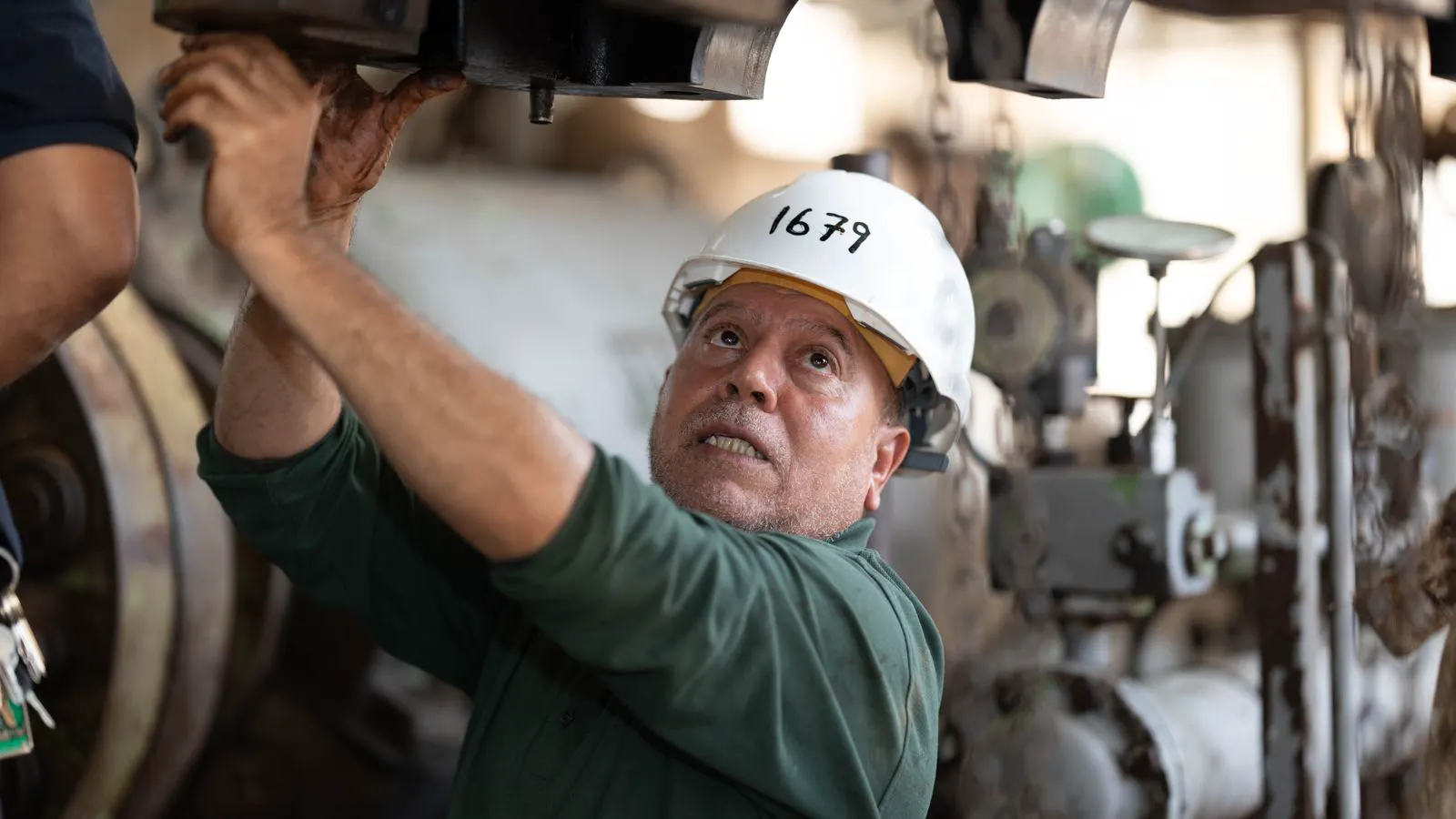
On-site service means a technician or engineer travels to the asset. They bring test instruments, personal protective equipment, and documentation. They may perform insulation testing, winding resistance checks, oil sampling, or visual inspection of bushings and radiators.
This model is useful when a fault is not obvious. A transformer that trips repeatedly may need a field check of connections, cooling, or protection relays. The technician can verify what the data says. They can also replace a small component, clean a contact, or adjust a tap changer.
Travel time is the biggest constraint. A supplier based far away may take days to arrive. Weather, site access, and safety permits can add delays. For a critical substation, that delay may be unacceptable.
On-site service also carries higher cost. Labor, travel, accommodation, and specialized tools add up. The supplier needs to price that into the service agreement. If support is included in the purchase price, confirm the scope. If it is billed separately, ask for a clear rate card.
How remote support works
Remote support relies on information flow. The supplier reviews data from the transformer or its monitoring system. They may examine oil test results, temperature trends, vibration signatures, or protection logs. They then provide guidance through a call or a ticket.
This model suits routine work. A plant operator can send a photo of a warning indicator. The supplier can advise on whether to reduce load, check a switch, or schedule a deeper test. Remote support is also useful for interpreting commissioning data. If the factory test report shows an unusual loss of load value, a remote engineer can help review it before the transformer is energized.
The main limitation is access. A remote engineer cannot touch the transformer. They cannot smell insulation degradation or hear a tap changer shift. They cannot verify a loose connection by feel. If the fault is physical, remote support only narrows the diagnosis.
Remote support also depends on data quality. If the monitoring system is sparse, the supplier has less to work with. A basic transformer without continuous monitoring may offer only limited remote options.
Comparison of support models
| Option | Best for | Limitations |
|---|---|---|
| On-site service | Critical assets, physical faults, complex diagnostics | Higher cost, longer response time, travel dependence |
| Remote support | Routine checks, data review, early fault detection | No physical access, depends on data quality |
| Hybrid model | Most industrial and utility applications | Requires clear escalation rules, may cost more than one model alone |
| Manufacturer-led support | New installations, warranty claims, commissioning | May be slow for routine issues, tied to product line |
| Independent service provider | Mixed fleets, older assets, specialized work | Less product familiarity, may need separate coordination |
When to choose on-site service
Pick on-site support when the asset is critical to your operation. A transformer feeding a hospital, a data center, a mine, or a continuous process plant cannot tolerate long downtime. The cost of an extra day of travel is small compared with the cost of an unplanned outage.
On-site service also fits situations where safety is a concern. Working near high-voltage equipment requires trained personnel and proper permits. A remote call cannot replace that. If the fault involves oil handling, arc flash risk, or structural access, a technician should be present.
Another case is warranty work. If the transformer is new and a defect is suspected, the manufacturer may require on-site inspection to confirm the issue. A remote review may not be enough to open a claim.
When to choose remote support
Remote support makes sense for routine monitoring and low-risk faults. If the transformer is operating normally and you just need advice on a minor alarm, a call may be enough. If the asset is non-critical, a few days of remote guidance may be acceptable.
Remote support is also a good fit for data interpretation. Oil analysis is a strong example. A supplier can review dissolved gas analysis results and advise on whether the trend is concerning. They can suggest whether to repeat the test, adjust sampling frequency, or plan a maintenance window.
For new installations, remote support often handles the first phase. The supplier reviews factory test data, commissioning logs, and protection settings. Once the asset is stable, support can shift to remote monitoring.
How to structure a hybrid service level
Most buyers end up with a hybrid model. The supplier offers a tiered service agreement. Remote support is included at no extra cost. On-site service is available for a defined fee or included under a certain number of visits per year.
A clear service level agreement should define response times. For example, remote support may respond within a few hours for non-critical alerts. On-site response may be next business day for critical sites. The agreement should also define what counts as a critical fault. Is it a loss of protection? A temperature alarm above a set point? A trip with no obvious cause?
The service level should also cover escalation. If remote support cannot resolve the issue within a set time, who decides to send a technician? Who pays for the trip? What happens if the fault is not covered by warranty?
Questions to ask suppliers
Before signing, ask direct questions. Request a written description of the support model. Ask how they handle faults outside business hours. Ask what tools and instruments a technician will bring to an on-site visit. Ask how they coordinate with your protection relay vendor or grid operator.
Ask about knowledge transfer. A good supplier will help your team learn how to operate and maintain the transformer. They may provide a troubleshooting manual, a video guide, or a short training session. Ask whether that training is included or billed separately.
Also ask about spare parts. Technical support is not just advice. If a component fails, the supplier must supply a replacement. Ask about lead times for common parts, such as fuses, contactors, or oil. Ask whether they hold stock for your region.
How to match support to transformer type
Oil-filled transformers and dry-type transformers have different support needs. Oil units require oil sampling, moisture checks, and occasional gas analysis. They may need a technician to inspect valves, radiators, and bushings. Dry-type units are often simpler to maintain. They may need less physical intervention, but they still require thermal checks and airflow verification.
Grid-connected transformers add another layer. The utility may have its own rules for testing and access. The supplier must coordinate with the grid operator. Ask how they handle these interactions. A supplier with experience in your region will know the local process.
The age of the transformer matters too. A new asset may need less frequent support. An older asset may need more frequent inspections. If you are buying a used or refurbished unit, support becomes more important. Ask for a detailed condition report and a maintenance plan.
Final selection approach
Do not choose support based on price alone. A cheap supplier may be slow to respond or lack the right tools. A premium supplier may overcharge for services you do not need. Match the model to the asset.
Start with a shortlist of suppliers that can meet your technical and quality requirements. Then compare their service offerings. Look for clarity, not just availability. A vague promise of support is less valuable than a specific response time and a defined escalation path.
For most industrial and utility buyers, a hybrid model is the practical choice. It gives fast remote advice for routine issues and on-site capability for critical faults. It also allows the supplier to use its engineers efficiently. You get better coverage without paying for a full-time site presence.
Frequently asked questions
Can remote support replace on-site service for all transformer work?
No. Remote support works well for data review and routine advice. It cannot replace physical inspection, testing, or repair when a fault is mechanical or electrical.
How do I know if a supplier’s on-site response time is realistic?
Ask for their standard response window by region. Check whether it includes travel, site access, and safety preparation. Compare it with your minimum acceptable downtime.
Is hybrid support always more expensive?
It can be, but not always. A hybrid model may cost less than a full on-site contract if most issues are handled remotely. It also avoids paying for unused on-site visits.
What documents should I request before signing a service agreement?
Request the service level agreement, a rate card for on-site visits, a spare parts list, and a sample troubleshooting procedure. Ask for a warranty statement as well.
How often should a transformer receive technical support after installation?
It depends on the asset. Critical units may need quarterly remote checks and annual on-site visits. Lower-risk units may need fewer visits, but still need defined support access.