Buyer's Guide: Evaluating Transformer Manufacturers for Grid Projects
Transformer manufacturer evaluation requires a structured approach. Procurement managers should assess technical capability, quality systems, financial stability, and after-sales support. This guide provides the criteria and checklist needed to compare suppliers for grid projects.
- Define technical requirements before contacting suppliers to avoid misaligned proposals.
- Evaluate quality control by reviewing inspection records, not just certificates.
- Assess supply chain resilience by checking raw material sourcing and backup plans.
- Verify after-sales support with specific response times and spare parts availability.
- Use a weighted scoring matrix to compare multiple suppliers objectively.
Defining the Technical Scope Before Outreach
Procurement teams often make the first critical error by sending a request for quotation without fully defining the technical scope. Grid projects vary widely in voltage class, load factor, and environmental conditions. A 138 kV distribution transformer for a rural area differs significantly from a 500 kV substation unit for an urban center. The difference affects winding design, insulation systems, and cooling requirements.
Before contacting manufacturers, compile a detailed technical specification document. This document must include voltage ratings, load capacity, loss requirements, and short-circuit withstand values. It should also specify ambient temperature, altitude, and humidity conditions. Include required standards and testing protocols. When the specification is vague, suppliers will interpret gaps in their favor, often leading to over-engineered or under-specified equipment.
The technical scope also determines which manufacturers to shortlist. A supplier specializing in large power transformers may not have the capacity for high-voltage distribution units, and vice versa. Matching the supplier’s core competency to the project’s specific needs reduces the risk of delivery delays and performance issues.
Technical Capability and Engineering Depth
Transformer manufacturer evaluation begins with assessing the supplier’s engineering depth. This goes beyond checking if a company meets minimum specifications. You need to verify that the engineering team understands the physical principles behind the design choices.
Review the supplier’s approach to core fabrication and winding construction. Ask about the materials used for the core and their grain orientation. Inquire about the insulation system, including the type of oil or dielectric fluid and its treatment process. For large units, ask about the vacuum impregnation process or the drying and vacuum degassing methods used. These details directly impact long-term reliability and performance.
Request case studies from similar projects. Look for examples where the supplier faced a challenging site condition and developed a specific engineering solution. A supplier with deep technical knowledge will explain the rationale behind design choices. They will reference specific test results and explain how those results correlate with field performance. This level of detail separates experienced engineers from generalist sales teams.
Quality Control and Certification
Supplier capability review must include a thorough examination of quality control processes. Certifications are a baseline requirement, but they do not guarantee quality. A manufacturer can hold multiple certifications and still produce inconsistent batches if their internal controls are weak.
Ask for a copy of their quality management plan. This document should outline the inspection points during manufacturing, the testing protocols, and the acceptance criteria. Request sample test reports for recent units. Review the data for trends and consistency. Look for evidence of corrective actions taken when test results fall outside specifications.
The quality team should be able to explain the difference between factory acceptance testing and type testing. Factory acceptance testing verifies that a specific unit meets the contract requirements. Type testing verifies that the design meets the standard. Both are necessary, but they serve different purposes. A supplier that conflates these processes may not understand the risk implications of their testing approach.
Supply Chain and Production Capacity
The transformer supply chain has shown significant volatility in recent years. Raw material costs, lead times, and component availability can change quickly. A supplier’s ability to manage these variables directly affects project timelines.
Evaluate the supplier’s sourcing strategy for key components. Copper, steel, and insulation materials have long lead times. Ask how the supplier secures these materials and what their backup plans are if a primary source becomes unavailable. Check their production capacity relative to their order book. A supplier with a backlog significantly larger than their capacity may struggle to prioritize your project.
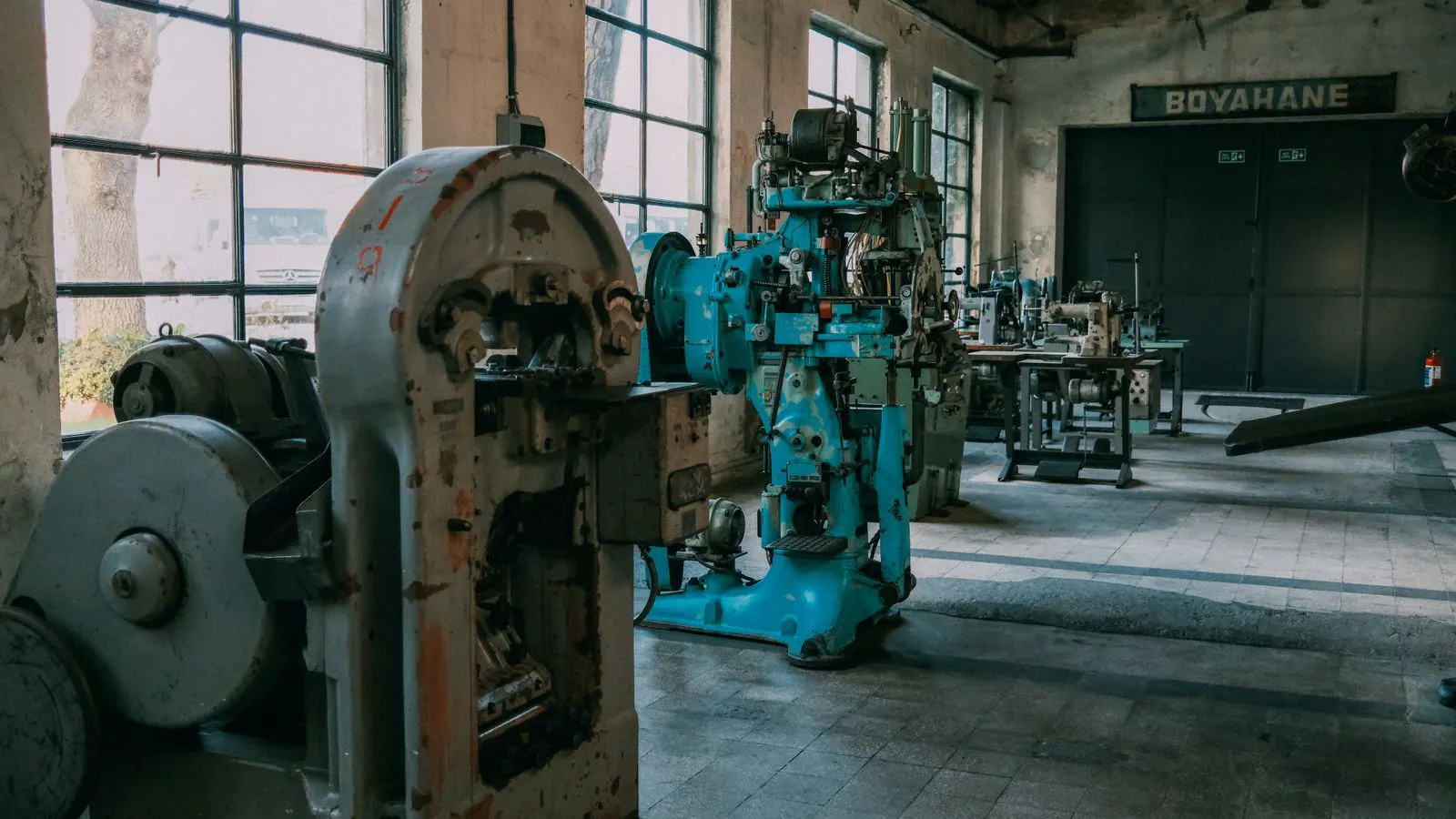
Visit the facility if possible. Observe the workshop layout, the condition of the equipment, and the workflow. A well-organized facility with clear material handling procedures indicates strong operational discipline. Ask about their production scheduling process and how they manage multiple concurrent projects. The answer to this question reveals how much control the supplier actually has over their timeline.
Financial Stability and Commercial Terms
A supplier’s financial health affects their ability to deliver a project on time and at the agreed price. During complex, multi-year projects, a financial downturn can force a supplier to cut corners or delay production.
Review the supplier’s financial statements. Look at their debt-to-equity ratio, working capital, and cash flow. These metrics indicate their ability to absorb unexpected costs without compromising project delivery. Check their payment terms and whether they require substantial deposits. Large upfront payments transfer financial risk to the buyer.
Negotiate clear commercial terms. The contract should specify what happens if raw material prices change significantly. Define the acceptance criteria for the equipment and the process for handling non-conforming items. Include penalty clauses for late delivery, but also define the conditions under which those penalties apply. Clear commercial terms reduce disputes and keep the relationship focused on technical performance.
After-Sales Support and Service
A transformer installation is not the end of the supplier’s responsibility. Grid assets operate for decades. The after-sales support structure determines how quickly a failure is diagnosed and repaired.
Evaluate the supplier’s service network. Ask about their service response times in your region. Do they have local technicians or do they rely on external contractors? Inquire about the availability of spare parts. Transformers have specific components, such as bushings and tap changers, that can fail. The supplier should be able to provide lead times for these parts.
Request a maintenance plan. A good supplier will provide a detailed inspection schedule based on the unit’s design and operating conditions. They should also offer training for the site’s operations and maintenance staff. The quality of the training materials and the responsiveness of the support team are strong indicators of the supplier’s long-term commitment.
Criteria Table for Supplier Comparison
Use a structured table to compare shortlisted suppliers. Assign a weight to each criterion based on its importance to the project. Score each supplier against the criteria and calculate a weighted total.
| Criterion | What to look for | Why it matters |
|---|---|---|
| Technical Fit | Matches voltage class and load requirements | Ensures the unit performs as designed for the specific site conditions |
| Quality Control | Documented inspection points and test records | Reduces the risk of manufacturing defects and field failures |
| Production Capacity | Backlog size relative to current orders | Indicates the likelihood of on-time delivery and project prioritization |
| Supply Chain | Sourcing strategy for copper and steel | Protects the project from raw material shortages and price spikes |
| Financial Health | Debt-to-equity ratio and cash flow | Ensures the supplier can complete the project without financial distress |
| After-Sales Support | Response times and spare parts availability | Minimizes downtime when equipment issues arise during operation |
A Numbered Checklist for Final Decision
Before issuing an award, run the top two or three candidates through this checklist. The goal is to verify that no critical gaps remain.
- Confirm that the technical specification is fully addressed in the supplier’s proposal.
- Verify that the quality management plan includes the required inspection and testing points.
- Review the supplier’s production schedule and confirm it aligns with your project timeline.
- Check that the contract includes clear acceptance criteria and penalty clauses.
- Confirm that the after-sales support plan includes training and spare parts provisions.
- Validate that the supplier has passed all required certification audits.
- Ensure that the commercial terms are approved by the finance team.
If any item is not satisfied, request a response from the supplier before making a final decision. Do not proceed with a supplier that cannot address a critical gap. A small issue now can become a major problem during commissioning or operation.
Frequently asked questions
How many suppliers should I invite to bid on a grid project?
Three to five suppliers is a typical range. Too few limits competitive pressure and increases the risk of a single point of failure. Too many creates administrative burden and dilutes the quality of the proposals.
What is the difference between type testing and factory acceptance testing?
Type testing verifies that the design meets the standard using a sample unit. Factory acceptance testing verifies that the specific unit you are buying meets the contract requirements. Both are necessary for a grid project.
Should I visit the supplier's facility before awarding a contract?
Yes, a facility visit provides valuable insights into the supplier's operational discipline and quality culture. It allows you to observe the manufacturing process and speak directly with the quality and engineering teams.
How should I handle a supplier's late delivery notice?
Review the contract for the defined delay procedures. Request a revised delivery schedule and a mitigation plan. Assess the impact on your project timeline and negotiate appropriate remedies if the delay is material.
Can I change the supplier after awarding a contract?
Changing a supplier after award is difficult and expensive. It requires rework, retesting, and potential delays. The best strategy is to complete a thorough evaluation before the award decision to select the right supplier from the start.